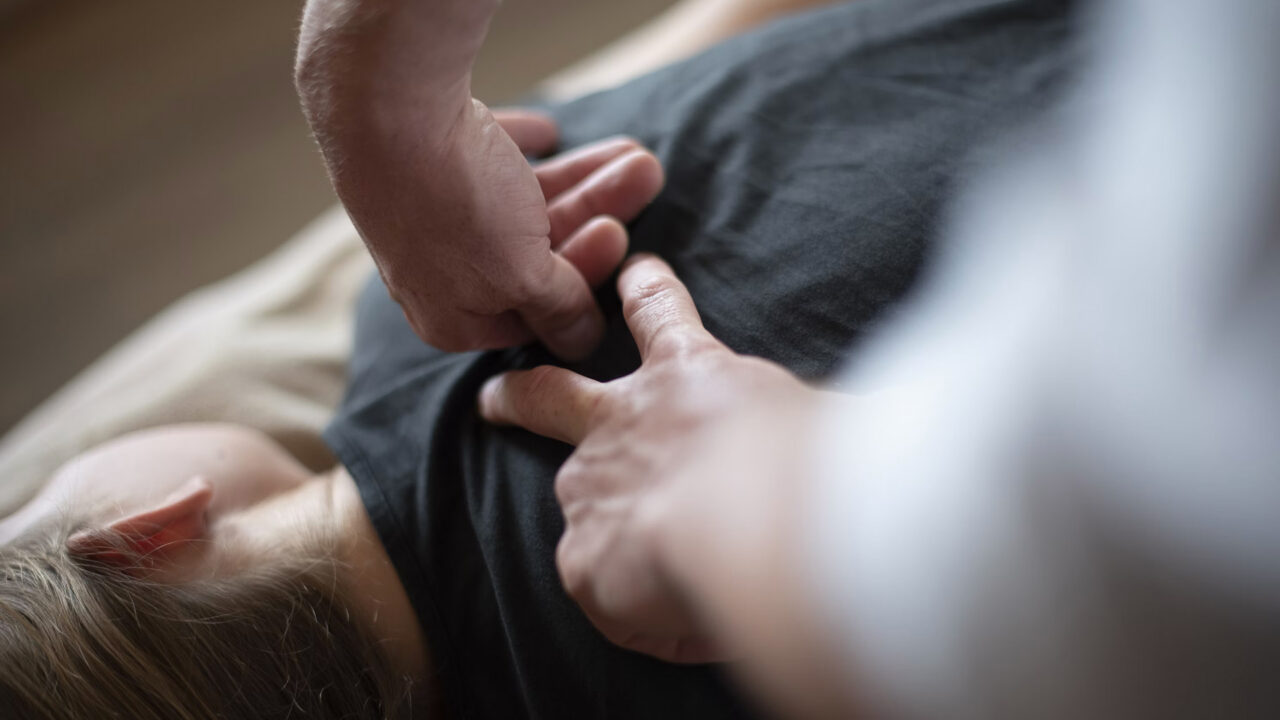
Osteopathy uses hands-on techniques, usually to treat painful musculoskeletal conditions but also to help improve function in a range of other disorders.
Most osteopathic techniques are not painful; some problems can be more tender than others and some patients find they have discomfort for a day or so after treatment but this is usually not very marked. A variety of techniques will be used depending on your body and your problem – for example children, pregnant women and the elderly will receive much more gentle treatment than muscle-bound rugby players.
The number of treatments needed will vary from person to person; for a healthy person with a short term problem often one or two treatments will be all that is required, whereas more complicated or degenerative problems may need a longer course. However it is rare to need more than 7-8 treatments even for complicated conditions, and some improvement should be present after 3-4 treatments at most. It is also unusual to need treatment more often than once a week.
We are sometimes asked about the need for X-rays in back pain. In most back problems X-rays are not necessary, but if necessary (usually if we suspect a particular type of bony problem) we would always refer a patient back to their GP, as we would if there were signs of any other medical problem.
You will usually be asked to remove some items of clothing, depending on where the problem is. Often in low back pain you will be asked to remove trousers and top down to your underwear as the osteopath might need to assess your upper back, hips, feet or other areas which might be contributing to the problem. If you feel more comfortable wearing shorts or a vest top please do so, but it will be easier for us if any such items can be moved slightly (eg racerback sports-bra type tops cover quite a lot of the spine in between your shoulder blades and can’t be moved much so can be awkward – a vest top would be easier as this can be shifted up or down slightly depending on need). Once you are lying on the treatment table you can be covered up with towels (apart from the area being treated) if you are more comfortable.
Usually the osteopath will ask you to perform some movements to assess how your body is moving (or not!) and then will examine you by feeling the muscle tone and quality of movement of associated tissues. Depending on what is found on examination the osteopath may ask you more specific questions about your health or history, so that we can not only understand the current problem but also gain an insight into why the problem has occurred, to help prevent recurrence.
If you are due to do anything important or physically taxing soon after treatment (eg redecorate the bathroom/drive 500 miles/run a 10K…) please make sure your osteopath knows – we may need to modify your treatment slightly or may apply some supportive strapping before you leave to help your body cope.
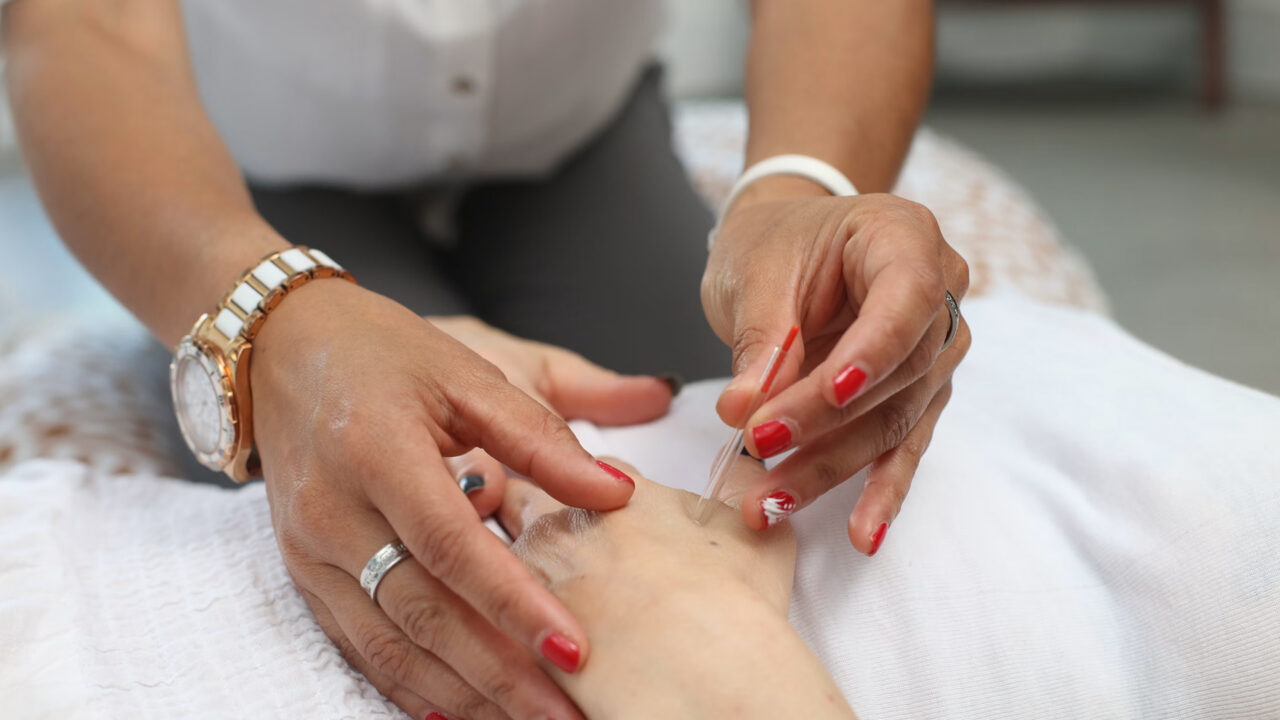
Some of our osteopaths also use acupuncture for pain relief and in certain chronic conditions, where it can be a useful addition to osteopathic treatment.